

I have devoted more time than I like to measure studying the optional boxes that are positioned beside the main betting areas in online table games https://winningscasino.eu/. These are casino side bets, and they are rarely as harmless as their names imply. A side bet is an separate wager placed in addition to the main bet in blackjack, roulette, baccarat, or selected poker-style games. It has its own paytable, probability structure, and house edge. In this guide I analyze how side bets work, why they are offered, which formats appear most often, and how they integrate with the Winning Casino platform. My aim is not to steer you toward or away from them, but to assist you understand them as an informed player. That difference matters because the same feature can be entertainment at small stakes or a subtle drain on your bankroll at larger ones.
What a Casino Side Bet In Reality Is
A casino side bet is a bet that resolves independently of the main bet on the same round. In blackjack, you may place your main wager on beating the dealer and also place a chip on Perfect Pairs. The main wager succeeds or loses according to normal hand comparison, while the side bet wins only if your first two cards form the advertised pair. In roulette, a call bet can cover a specific section of the wheel and is resolved by the same spin but paid from a separate table. In baccarat, a Dragon Bonus side wager pays based on the margin of victory, not the hand outcome alone. The defining feature is separation: the side wager does not enhance your main bet and the main bet does not safeguard the side wager. When you enter a table at Winning Casino, these options usually appear as smaller marked spots or a separate tab next to the main chip controls. I always check the paytable before using one. The independence is critical because it implies you can lose the main hand and win the side bet, or vice versa, creating a more complex emotional rhythm than a single wager offers.
Examining a Side Bet Paytable With an Expert Eye
The initial step I employ when assessing any side bet is to identify the exact paytable and tally the tiers. A paytable with five or six tiers often indicates a more complex probability structure than one with two, and complexity can conceal a higher house edge. I search for the lowest qualifying payout and ask what the most frequent winning outcome is likely to be. If the lowest payout is even money or near it, the side bet may produce more frequent small wins, which modifies the rhythm of the session without necessarily decreasing the edge. The second step is to estimate the true probability of the top payout. I do not compute it at the table, but I apply a mental shortcut: the bigger the gap between the top payout and the second-tier payout, the rarer the top event almost certainly is. A side bet that gives 500 to 1 for one outcome and 50 to 1 for the next tier down is indicating a large edge contained in that top tier. Finally, I contrast the available paytable with known industry benchmarks. For Perfect Pairs, a mixed pair payout below 6 to 1 paired with a perfect pair payout above 25 to 1 is generally a inferior proposition than a paytable where the bottom tier is higher and the top tier less. This kind of comparison requires thirty seconds once you understand what to look for.
How Winning Casino Presents Side Bets in the Lobby
The first thing I noticed when examining Winning Casino’s lobby structure is that table games are arranged by type rather than tucked away behind a single menu. Slots, blackjack, roulette, baccarat, live dealer, and poker-style games are plainly separated, which allows you to see where side bet titles sit. The search and provider filters also assist when you know the name of a specific variant. What matters for this guide is not the number of tables, but the clarity of the information around them. On a well-run casino page, each table should display minimum and maximum stakes, the paytable, and whether side bets are enabled. I particularly look for tables that show side bet payouts before I join, because that minimizes the risk of a surprise after the first hand. Winning Casino’s approach of keeping game rules inside the table information panel is near the ideal, though I would prefer a dedicated line in the lobby thumbnail confirming side bet availability. When I try out a new table, I open the rules panel before placing any wager and screenshot the paytable. That habit has saved me from misunderstanding payout tiers more than once.
The live dealer section at Winning Casino adds another dimension because side bets show up in a more social setting. The dealer may call out side bet results, and the chat box often lights up when a large side bet payout lands, which can affect your perception of frequency. I treat live dealer side bets with the same analytical approach as their digital counterparts, but I also factor in the slower pace. A lower number of hands per hour reduces the total theoretical cost on a high-edge wager, which makes a modest side bet on a live table less damaging to the bankroll over the same session length compared to a rapid digital table. The environment does not change the arithmetic, but it changes the rate at which the arithmetic applies. Winning Casino’s live tables are well-produced, and the side bet options are distinctly marked on the felt, so you can spot them before you sit down.
Why the House Edge Changes With Optional Wagers
The Arithmetic Behind Long-Odds Payouts
Side bets are lucrative for operators because long-odds paytables conceal a larger mathematical advantage than most players assume. A standard blackjack hand against a dealer can hold a house edge below one percent when you follow disciplined basic strategy. A Perfect Pairs side bet, by contrast, can have a house edge from around three percent to more than ten percent according to the paytable. The pattern applies across every table game: the rarer the event, the more attractive the payout, and the wider the gap between true odds and paid odds. That gap is the operator’s margin. I use a simple test. If a side bet pays 25 to 1 for a perfect pair, I ask how often that pair actually appears. The true frequency may be closer to once in roughly every 60 hands, so the payout is not generous. Side bets endure because players remember the wins and forget the many small losses. The psychology is reliable: a single large payout creates a vivid memory, while the steady drip of lost chips fades into background noise.
Entertainment Value Versus Bankroll Cost
This does not turn side bets dishonest. A licensed online casino must reveal the rules and the games are random, but the shift in edge modifies bankroll expectations. If you bet ten on a side wager with a six percent edge, your theoretical cost is sixty cents per round, while a ten-unit main wager at a one percent edge costs only ten cents. Over an hour the difference accumulates. I separate the entertainment value from the arithmetic. A side bet can be valued at its cost when the added suspense is what you actually want, just as a cinema ticket is not judged by whether you leave with more money. The problem emerges when a player treats a side bet as a serious strategy. In an analytical sense, the side bet is almost never the best application of your bankroll on that table. I return to this idea when discussing evaluation methods later in the article. The key is purposefulness: know the cost, accept it, and never misinterpret a side bet for a hedge.
Side Wagers in Roulette, Baccarat Games, and Table Poker
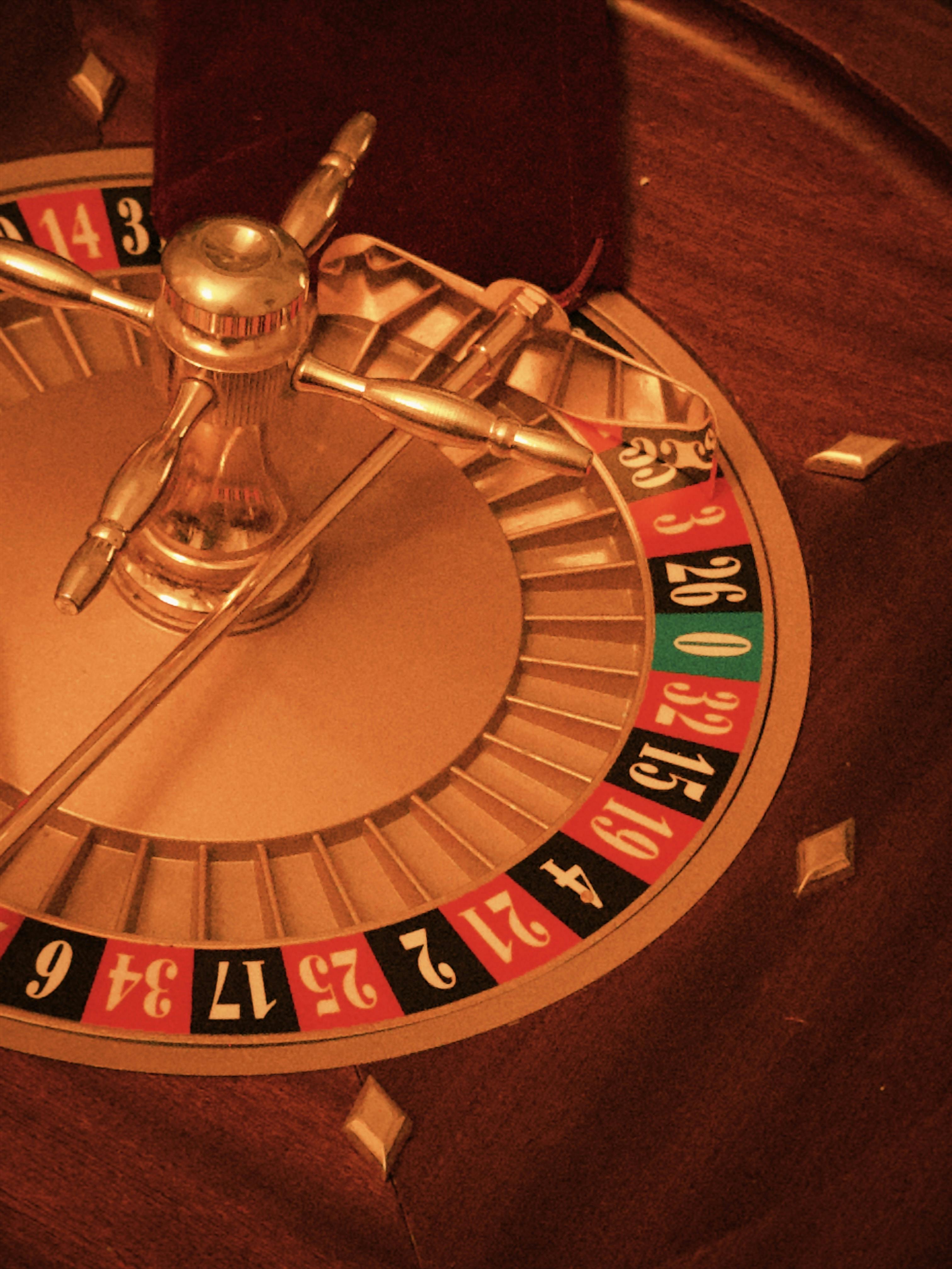
Roulette side wagers frequently show up as racetrack bets or track bets instead of separate boxes. These wagers cover clusters of numbers that are positioned near around the wheel, such as neighbours, thirds of the wheel, or zero-section bets. These bets predate than the modern online casino and originate in the French roulette tradition. In many regulated online lobbies, including Winning Casino, you can wager on them via a specialized racetrack interface. Baccarat adds another layer through bets on perfect pairs, same-value cards, or margin-dependent bonuses including the Dragon Bonus. Dragon Bonus payouts occur when the victorious hand triumphs with a spread of four or more points, providing higher returns for larger margins as high as a natural nine over a zero. The casino edge for Dragon Bonus varies by the number of decks used, and I’ve calculated https://bleacherreport.com/articles/2806382-kevin-durant-odds-lakers-warriors-76ers-knicks-top-the-lines-for-2019 edges ranging from 2.5% up to more than 9% in various table setups. Casino poker variants like Casino Hold’em may offer an AA Bonus side wager that rewards if the player’s two hole cards are a pair of aces or better. Each game type includes a specific activation and resolution point, so I suggest examining each on its own rather than assuming all side bets behave in the same way as blackjack side bets. What they share is that they resolve via a distinct paytable and ought to be monitored as separate bankroll decisions.
The Session Cost of Side Bets Over Time
Measuring side bet cost requires a straightforward tracking habit that I embraced after observing how easily small wagers disappear from memory. I hold a mental tally of side bet decisions during a session, tracking how many rounds I play and what my average side bet size is relative to the main wager. If I endure two hundred blackjack hands with a five-unit side bet on Perfect Pairs at a five percent house edge, my expected side bet loss is fifty units, irrespective of how the main wager performed. That figure turns into real money surprisingly fast at higher unit values. I have realized that the most effective brake on side bet overuse is not to avoid them entirely but to establish a separate side bet session limit before the first hand. Ten percent of your total session bankroll allocated to side bets creates a hard cap that forces you to select which rounds merit the extra wager. When I apply this method, I discover I use side bets more selectively, sometimes delaying for a specific feeling about the shoe or simply making one as a celebratory action after a main hand win. The discipline does not modify the edge, but it caps the damage and keeps the entertainment value intact without letting the cost silently overtake the session.
21 Side Bets You Should Know
Perfect Pair Wagers
Perfect Pairs is the side bet I spot most often in online blackjack lobbies, including many of the tables at Winning Casino. The wager pays out if your first two cards create a pair, and the reward is structured. A mixed pair such as a seven of hearts and a seven of spades usually pays around 6 to 1. A coloured pair, indicating the same colour but different suits, usually pays around 12 to 1. A perfect pair, signifying two identical cards from the same suit, can pay 25 to 1 or more. Those numbers appear appealing, but the structure is constructed so that most qualifying pairs are mixed. The broad rule is that the higher the perfect pair payout, the lower the chance the operator is presenting a favourable deal. I always check the specific paytable once a table opens, because a small payout change can alter the house edge by several points. This is table selection, not game selection. A variant paying 30 to 1 for a perfect pair may hold a lower edge than one paying 25 to 1 if the mixed pair payout is also adjusted upward, so direct comparison counts.
21 and 3
The 21+3 additional bet combines your first two cards and the dealer’s upcard to make a three-card poker hand. Victorious combinations include a flush, a straight, three of a kind, a straight flush, and a suited three of a kind. Usual payouts can range from 5 to 1 for a flush up to 100 to 1 for a suited three of a kind, though specific figures change by provider and table. The attraction is that the outcome is evident on every hand, regardless of whether the main blackjack hand wins or loses. I treat 21+3 with the same caution as Perfect Pairs because the probability of the top payouts is far smaller than the payout list indicates. At Winning Casino, the games that feature this side bet usually display the paytable plainly in the help or rules window. If that table does not show it, I move on. Openness in the payout table is the initial sign of a well-organised table game. The house edge on 21+3 often lies between four and eight percent, but I have seen paytables that push it above ten percent on decks with fewer cards in play.
Fortunate Lucky
Lucky Lucky is a less common but still notable blackjack side bet that rewards combinations summing to twenty or twenty-one with your first two cards and the dealer’s upcard. The paytable differentiates between suited totals, unsuited totals, and particular triples like three sevens. A suited twenty-one can pay 100 to 1 or higher, while an unsuited twenty might return 2 to 1. The house edge here depends heavily on the number of decks and the precise payout tiers. I find Lucky Lucky fascinating because it links the side bet trigger to a hand total that players already value in the main game, which makes the side bet feel more linked to the action than a pure pair-based wager. I still review the help panel before placing a chip, because payout differences between software providers can be larger than expected.

Common Myths Regarding Casino Side Bets
Several persistent myths surround side bets, and I want to address the ones I come across most often at the tables. The first involves that a side bet can serve as a hedge against a bad main hand. In blackjack, for example, some players assume a Perfect Pairs wager protects them when the dealer reveals a strong upcard. The truth remains that the two bets are mathematically independent, and the side bet outcome has no correlation with whether the dealer draws to a twenty. The second myth is that side bets hit more often on certain seats or after certain card sequences. Online tables use random number generators that reset each hand unless the game explicitly tracks a shoe across rounds, and even then the side bet probability does not shift by seat position. The third myth is that a side bet with a large progressive jackpot attached delivers better value because the top prize grows over time. Progressive side bets possess their own seed and contribution rate structures, and the house edge on the base paytable often remains high even when the jackpot attains a theoretically positive level. the update I have conducted approximate break-even calculations on several progressives and found that the jackpot threshold required for positive expectation is rarely reached during normal play windows.
Using Side Bets Without Letting Them Use You
The practical conclusion I come to after numerous hours of monitoring is that side bets function optimally when treated as a distinct entertainment category rather than a strategic part of the game. I set aside a limited, fixed portion of my session bankroll to side wagers and I do not increase it after a win. When I sit at a Winning Casino blackjack table, I decide before the first hand whether the session incorporates Perfect Pairs or 21+3, and I mentally discard that allocation mentally as soon as I place the first side chip. This strategy removes the temptation to go after a side bet loss by increasing the wager after a barren run, which is the most typical pattern of bankroll damage I have observed. The alternative is to avoid side bets entirely and center on the main game with the smallest house edge you can discover through rule selection and strategy discipline. Either path is acceptable, but the middle ground of spontaneous, unplanned side bet use is the one that silently extracts the most from your bankroll over time. The decision belongs to you, and the knowledge you need to make it is accessible inside every well-run table lobby if you stop long enough to look.