
Origins of Gambling
The history of casinos traces back to the ancient civilizations where gambling was intertwined with social and cultural practices. In ancient China, around 2300 BC, rudimentary gambling games were prevalent, utilizing dice made from bones. These early games set the foundation for modern gambling, showcasing a human fascination with chance and risk. Similarly, the Romans held betting activities during gladiatorial contests, marking gambling as a popular form of entertainment across diverse cultures.
As societies evolved, so did gambling practices. By the Middle Ages, Europe witnessed the emergence of betting houses, which were precursors to modern casinos. The Italian word “casa,” meaning house, gave rise to the term “casino.” These establishments provided a venue for socializing and gambling, reinforcing the idea that casinos are not just places to wager but also hubs of community and interaction. This dual nature of casinos continues to play a crucial role in their appeal today.
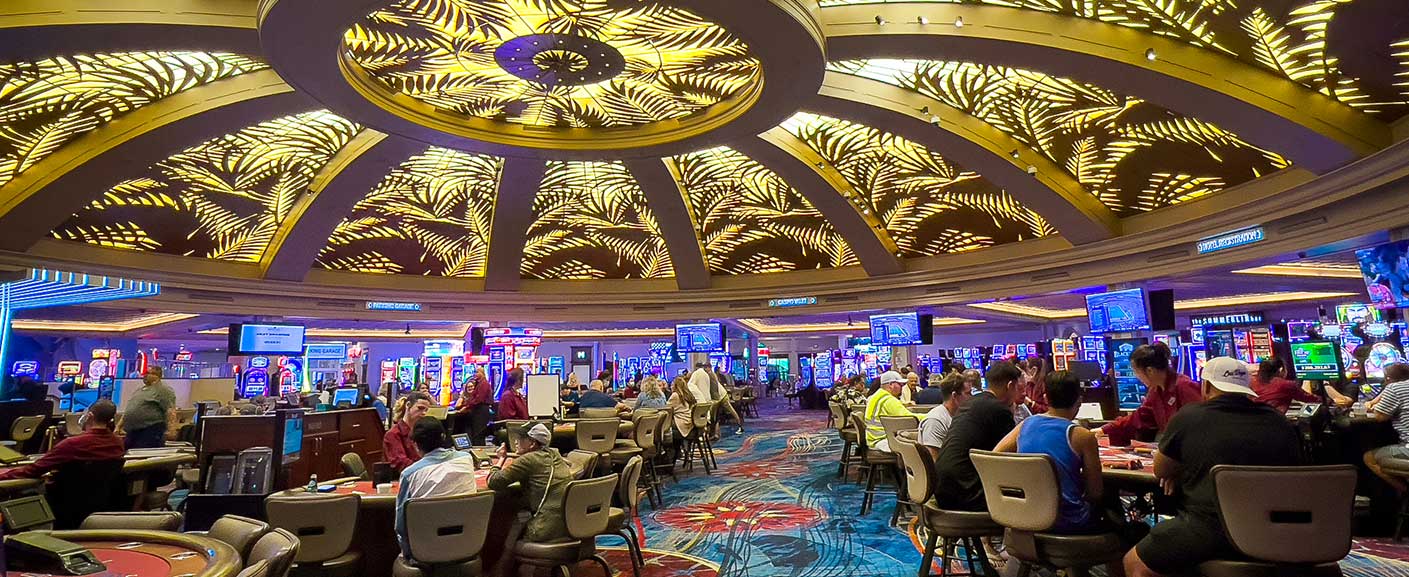
In the late 17th century, the first official casino was established in Venice, Italy, known as the Ridotto. It was a place where patrons could enjoy games in a controlled environment, showcasing an early understanding of responsible gambling. This initial venture marked a significant turning point, as it allowed for the regulation of gambling, paving the way for the expansive casino industry we recognize today. The evolution of gambling reflects humanity’s enduring relationship with risk and fortune.
The Rise of Modern Casinos
The 19th century marked a pivotal moment in the evolution of casinos, especially with the rise of the gaming industry in Europe and America. The establishment of the Monte Carlo Casino in Monaco in 1863 symbolized luxury and opulence, attracting the elite from around the world. This iconic venue not only popularized casino culture but also set a standard for future establishments regarding ambiance and service. The allure of high-stakes gambling drew in affluent gamblers, transforming casinos into symbols of wealth and glamour.
As the 20th century approached, the United States began to embrace the casino phenomenon, with states like Nevada legalizing gambling to bolster their economies. Las Vegas emerged as the epicenter of casino culture in the post-World War II era, revolutionizing the industry with extravagant shows, luxurious hotels, and a vast array of gaming options. The concept of themed casinos, like the Venetian and the Bellagio, introduced a new level of entertainment, combining gaming with performances and fine dining, appealing to a broader audience beyond traditional gamblers.
By the late 20th and early 21st centuries, the expansion of casinos was evident globally. Countries like Australia and parts of Asia saw an influx of casino resorts, catering to tourists and locals alike. The evolution of casinos has been characterized by innovation, not only in gaming options but also in technology, such as online gaming platforms that have surged in popularity. This transition represents a significant shift in how people engage with gambling, emphasizing convenience and accessibility while still maintaining the essence of traditional casino experiences.
The Psychology of Gambling
The psychology of gambling is a fascinating area that delves into the motivations and behaviors of gamblers. Many individuals are drawn to casinos by the thrill of potential reward, often experiencing an adrenaline rush as they engage in games of chance. This emotional engagement can be both exhilarating and addictive, with numerous studies indicating that the anticipation of winning can trigger dopamine release in the brain, akin to the effects of substance use.
Moreover, the design of casinos plays a crucial role in shaping gambler behavior. From the alluring sounds of slot machines to the strategically placed drinks, casinos are crafted to keep players engaged. The layout of these establishments is intentional, promoting a sense of disorientation, making it easy for patrons to lose track of time and money. Understanding these psychological underpinnings is vital for both players and operators, as it highlights the fine line between entertainment and addiction.
Responsible gambling initiatives have emerged as a response to the psychological impacts associated with excessive gambling. Casinos now offer tools such as self-exclusion programs and informational resources to help patrons recognize and manage their gambling behaviors. The evolving understanding of gambling psychology continues to inform regulations and policies, fostering a more balanced approach that prioritizes player safety while preserving the entertainment value that casinos provide.
The Influence of Technology on Casinos
Technological advancements have fundamentally transformed the landscape of casinos, influencing how games are played and enjoyed. The rise of online casinos in the late 1990s changed the accessibility of gambling, allowing individuals to play from the comfort of their homes. This shift not only broadened the audience but also introduced new gaming formats, such as live dealer games, which attempt to replicate the atmosphere of traditional casinos online.
Mobile gaming has further accelerated this transformation, with smartphones enabling players to gamble on-the-go. Mobile apps have become increasingly sophisticated, offering a wide range of games and features that cater to modern preferences. As technology continues to evolve, innovations like virtual reality are beginning to reshape the casino experience, providing immersive environments that could revolutionize how people engage with gambling in the future.
The integration of data analytics and artificial intelligence within casinos has also optimized operations and customer experiences. By analyzing player behavior, casinos can tailor promotions and gaming options to individual preferences, enhancing engagement and satisfaction. This data-driven approach is a testament to the ongoing evolution of the industry, highlighting how technology not only enhances gameplay but also improves the overall customer experience in significant ways.
Future Trends in Casino Evolution
As we look towards the future, the evolution of casinos is poised to continue along several exciting trajectories. One significant trend is the incorporation of sustainability into casino operations, as many establishments strive to minimize their environmental impact. This includes implementing energy-efficient systems and promoting responsible tourism, reflecting a growing awareness of social responsibility among casino operators. Such initiatives could enhance the reputation of casinos and attract a more conscientious clientele.
The rise of esports and competitive gaming is another emerging trend that could reshape the casino landscape. With younger generations gravitating towards online gaming and esports, casinos are beginning to integrate these elements into their offerings. Events centered around esports have the potential to attract new demographics, creating a fusion of traditional gambling and modern gaming culture, thereby broadening the appeal of casinos.
Furthermore, the increasing integration of cryptocurrency in gaming is likely to redefine transactions within casinos. The use of digital currencies offers anonymity and ease, catering to a tech-savvy audience while addressing concerns about security and fraud. As regulatory frameworks adapt to accommodate these changes, the future of casinos promises to be a dynamic fusion of tradition and innovation, ensuring their relevance in an ever-evolving entertainment landscape.